Educational content only. No medical services. No promises of outcomes.
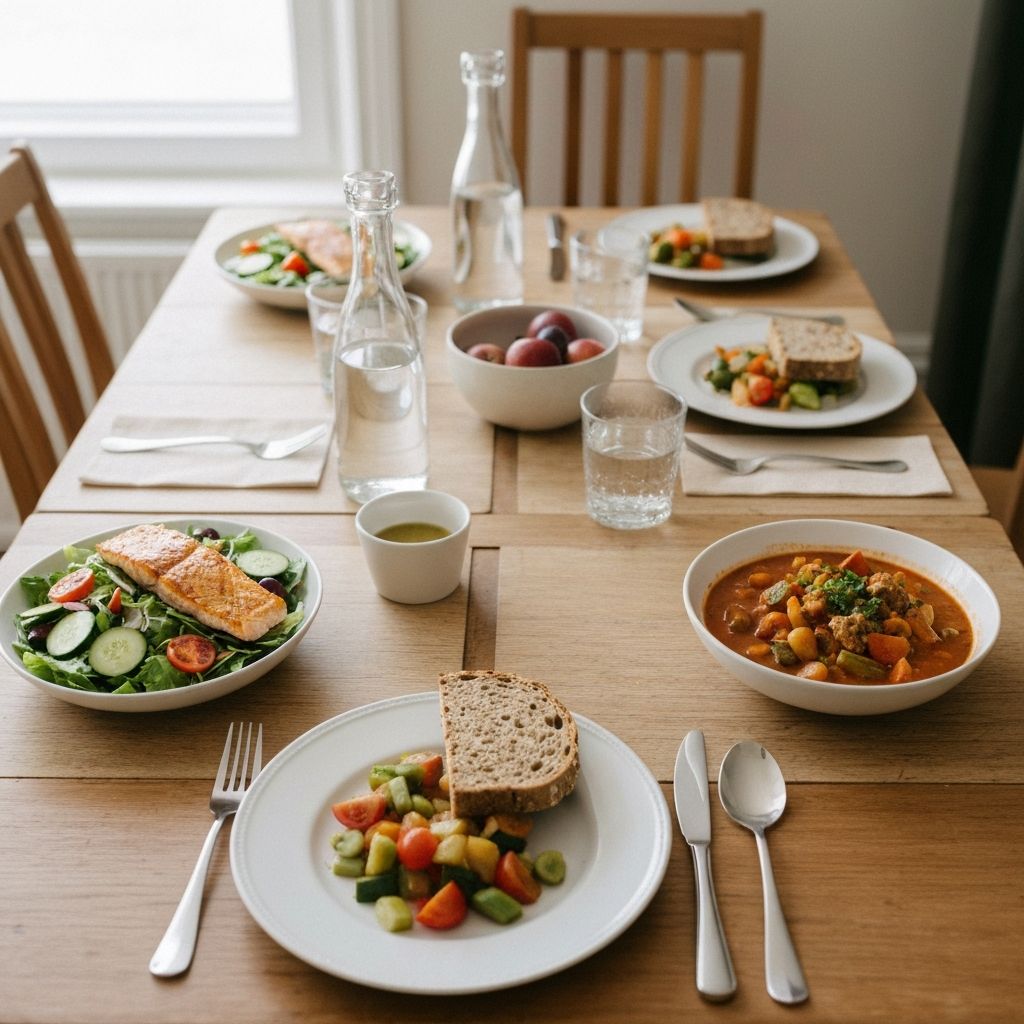
Learn moreBalanced nutrition during lunch and dinner involves understanding various food groups and their roles in daily eating patterns. This educational resource explores how different components work together in typical meal structures.
Mid-day and evening meals represent significant portions of daily food intake. Understanding the diversity of approaches to meal planning can provide context for making informed personal choices.
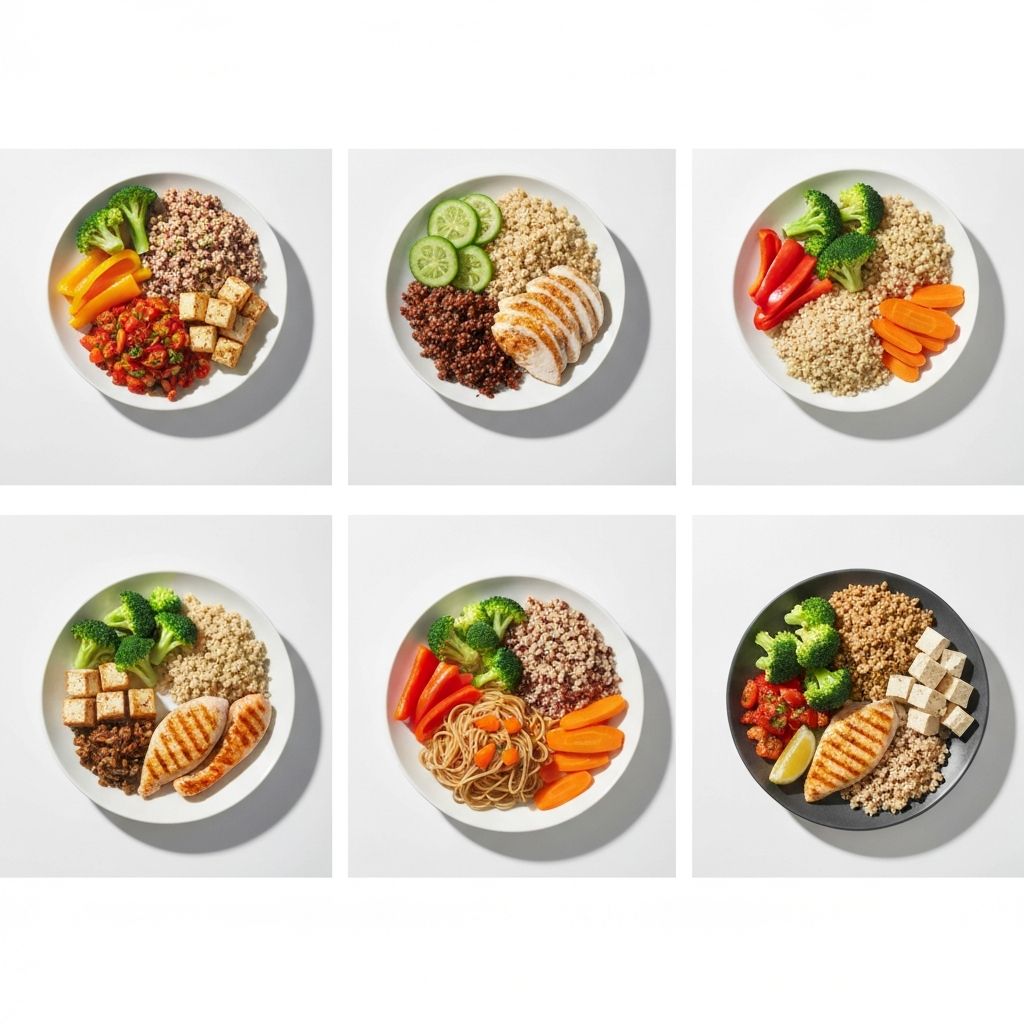
Typical balanced meals often include combinations of vegetables, proteins, whole grains, and healthy fats. These components serve different nutritional functions and can be combined in various ways.
Different cultural traditions and dietary patterns demonstrate diverse approaches to meal composition. Understanding these variations provides educational context without prescribing specific actions.
Understanding general patterns in meal timing and portions
Lunch is typically consumed during midday hours, while dinner occurs in the evening. Individual schedules and cultural practices influence these patterns significantly.
Portion sizes vary widely based on individual needs, activity levels, and cultural norms. Understanding this diversity helps contextualize different eating patterns.
The number of daily meals and their distribution throughout the day differs across populations and personal preferences. Various patterns exist globally.
Lunch and dinner fit within broader daily routines that include work, physical activity, and rest. Understanding how meals interact with these activities provides educational context.
Different lifestyles require different approaches to meal planning and timing. Recognizing this diversity helps illustrate the range of patterns people follow worldwide.
Educational articles on balanced nutrition
Explore educational information about midday meal composition and common patterns in lunch structure.
Read in detailLearn about evening meal patterns and the variety of approaches to dinner composition.
Read in detailUnderstand how lunch and dinner work together in daily nutrition patterns.
Read in detailBalanced nutrition refers to consuming a variety of foods that provide different nutrients. This concept varies across cultures and individual circumstances.
Lunch and dinner can serve different roles in daily eating patterns, though approaches vary widely. Some people consume larger lunches, while others prefer substantial dinners.
Common food groups include vegetables, fruits, proteins, grains, and dairy or alternatives. The specific combinations depend on dietary preferences and cultural traditions.
No. This is an educational resource that explains concepts and describes patterns. It does not provide personal advice or recommendations.
This website provides educational information only. Content describes general patterns and concepts related to balanced nutrition. It does not provide individual recommendations, medical advice, or guarantees of any outcomes. Approaches to nutrition vary widely based on personal circumstances, cultural background, and individual needs. This resource does not replace personalized guidance from qualified professionals.